
Biblical numerology unveils profound symbolic meanings woven throughout scripture‚ offering insights into God’s character and plan.
Exploring numbers 1-1000‚ as detailed in resources like PDF guides‚ reveals patterns relating to creation‚ redemption‚ and divine governance.
Historical Context of Biblical Numerology
Ancient Near Eastern cultures‚ including those contemporary with biblical authors‚ heavily employed numerology. Systems in Mesopotamia and Egypt attributed symbolic significance to numbers‚ influencing early Hebrew thought. This wasn’t simply mathematical; it was a worldview where numbers represented divine concepts and cosmic order.
Early Church Fathers‚ like Irenaeus and Origen‚ continued this tradition‚ interpreting biblical numbers allegorically. However‚ Gnosticism’s excessive numerological speculation led to caution. Medieval scholars‚ such as those studying Kabbalah‚ further developed numerical interpretations‚ often linking them to Hebrew letter values.
Modern scholarship recognizes the cultural context but approaches biblical numerology cautiously. While acknowledging symbolic intent‚ scholars debate the extent to which authors consciously employed a fixed system. Resources like PDF guides on biblical numerology often trace this historical development‚ offering a nuanced understanding of its origins and evolution.
The Prevalence of Numerical Patterns
Throughout the Bible‚ numbers aren’t merely quantitative; they function symbolically‚ appearing repeatedly in significant contexts. Genesis’s creation account utilizes numbers like one‚ two‚ and seven to denote order and completion. The flood narrative features 40 days and nights of rain‚ signifying judgment and purification.
The Tabernacle and Temple designs are replete with numerical precision‚ reflecting divine order. Levitical laws detail specific offerings and measurements‚ emphasizing holiness and obedience. Prophetic visions‚ like those in Daniel and Revelation‚ rely heavily on symbolic numbers to convey future events and divine judgments.
PDF resources dedicated to biblical numerology highlight these patterns‚ demonstrating their consistency across different biblical books and genres. Recognizing these patterns enhances understanding of the biblical message‚ revealing layers of meaning beyond the literal text.

Numbers 1-10: Foundational Meanings
Initial numbers‚ one through ten‚ establish core symbolic themes within scripture‚ as explored in detailed PDF studies‚ representing unity‚ witness‚ and divine completion.
Number 1: Unity and God’s Sovereignty
The number one profoundly signifies absolute unity and the singular‚ unmatched sovereignty of God throughout biblical texts. Representing God’s unique nature‚ it emphasizes His indivisibility and preeminence as the ultimate authority. Biblical numerological studies‚ often detailed in PDF resources‚ highlight that ‘one’ appears frequently in contexts establishing foundational truths.
Consider God as the one Creator‚ the one true God‚ and the one Lord. This isn’t merely a numerical value; it’s a declaration of His unparalleled power and existence. The concept of unity extends to the unified purpose of God’s plan for humanity. It’s the starting point‚ the foundation upon which all other numerical symbolism builds‚ as explored in comprehensive guides.
Furthermore‚ ‘one’ can represent a beginning‚ a singularity‚ or a focused intention‚ all attributes reflecting God’s character. Understanding this foundational meaning unlocks deeper layers of interpretation when encountering this number within scripture.
Number 2: Witness and Division
The number two in biblical numerology carries a dual significance‚ representing both witness and division‚ often explored in detailed PDF analyses of biblical numbers. It fundamentally speaks to the need for confirmation and the establishment of truth through multiple testimonies. The principle of “two or three witnesses” (Deuteronomy 19:15) underscores this concept‚ demanding corroboration for legal and spiritual matters.
However‚ ‘two’ also embodies the potential for separation or conflict. Think of the two trees in the Garden of Eden – the Tree of Life and the Tree of the Knowledge of Good and Evil – presenting a choice that led to division between God and humanity. This duality reflects the inherent tension between good and evil‚ blessing and curse.
Ultimately‚ the meaning of ‘two’ depends on the context‚ highlighting the importance of careful scriptural interpretation‚ as detailed in numerological resources.
Number 3: Divine Completeness and Trinity
The number three resonates deeply with divine completeness and is intrinsically linked to the Holy Trinity – Father‚ Son‚ and Holy Spirit – a central tenet of Christian faith‚ often detailed in biblical numerology PDFs. It signifies a perfect‚ unified whole‚ representing God’s fullness and perfection. This completeness extends beyond the Godhead‚ appearing in patterns throughout scripture.
Consider the three days of darkness in Exodus‚ or Jonah’s three days and nights in the belly of the great fish‚ foreshadowing Christ’s three days in the tomb. These instances demonstrate a pattern of divine intervention and restoration. The number three also symbolizes resurrection life and spiritual maturity.

Exploring biblical numerology reveals ‘three’ as a powerful indicator of God’s sovereign plan and ultimate victory‚ a concept thoroughly examined in related PDF studies.

Number 4: Creation and the Earth
The number four profoundly symbolizes the created order‚ particularly the physical earth‚ and is extensively explored within biblical numerology resources‚ including detailed PDF analyses. God completed creation in six days‚ resting on the seventh‚ establishing a foundational four-part structure: heaven‚ earth‚ sea‚ and land. This signifies completeness within the material realm.

Four corners of the earth‚ four winds‚ and the four living creatures surrounding God’s throne reinforce this association with earthly boundaries and divine control. The four seasons represent the cyclical nature of time and God’s consistent provision.
Furthermore‚ the four Gospels – Matthew‚ Mark‚ Luke‚ and John – present a comprehensive portrait of Jesus Christ‚ solidifying four as a number of wholeness and revelation. Biblical PDFs often highlight these connections‚ demonstrating God’s deliberate design within creation.
Number 5: Grace and God’s Goodness
The number five frequently represents God’s grace‚ goodness‚ and favor towards humanity‚ a theme thoroughly examined in biblical numerology studies and accessible through comprehensive PDF guides. Five books of Moses (Genesis‚ Exodus‚ Leviticus‚ Numbers‚ Deuteronomy) lay the foundation of God’s law and covenant‚ showcasing His initial grace towards Israel.
Five offerings under the Law – burnt‚ meat‚ sin‚ trespass‚ and wave – demonstrate various facets of atonement and reconciliation‚ stemming from God’s benevolent nature. The five wounds of Christ are seen as a supreme expression of divine grace and sacrifice for humankind’s redemption.
Biblical PDFs often emphasize that five signifies divine completeness in relation to human need‚ highlighting God’s abundant provision and unwavering love. It’s a number linked to God’s kindness and merciful character.
Number 6: Imperfection and Humanity

The number six in biblical numerology consistently symbolizes imperfection‚ falling short of divine completeness – a concept detailed in numerous resources‚ including readily available PDF guides. It represents humanity’s inherent flaws and limitations‚ being one less than the perfect number seven.
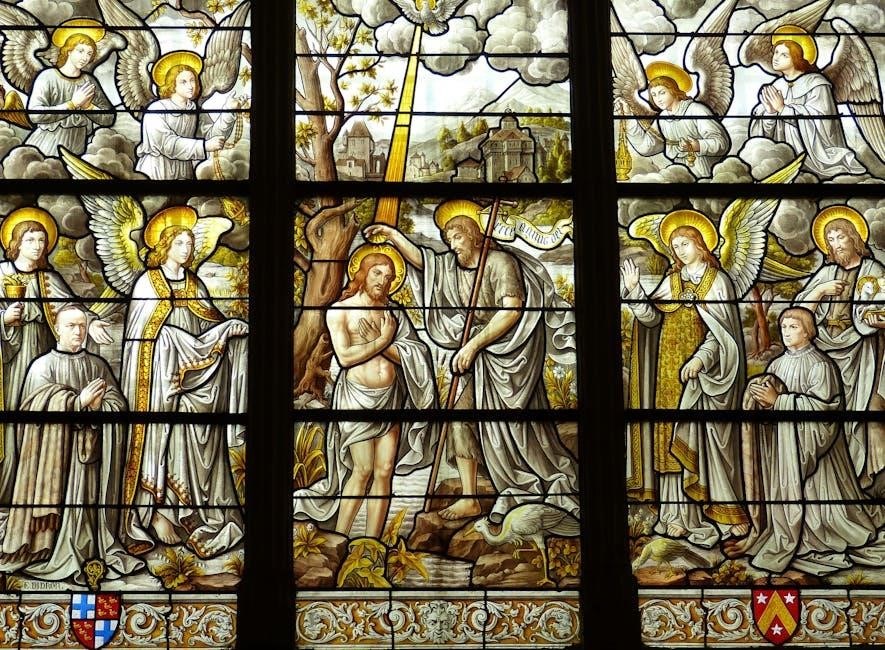
Man was created on the sixth day‚ signifying his earthly and imperfect nature. The number is often associated with evil‚ as seen in the mention of 666 as the mark of the beast‚ representing ultimate rebellion against God. Biblical PDFs highlight that six points to human effort without divine intervention.
It’s a reminder of our need for God’s grace and redemption. Six also relates to labor and toil‚ reflecting the consequences of sin and the fallen state of humanity‚ as explored in detailed numerological analyses.
Number 7: Spiritual Perfection and Completion
The number seven stands as a cornerstone of biblical numerology‚ universally representing spiritual perfection‚ completeness‚ and divine fulfillment – a theme extensively covered in biblical numerology PDFs. God completed creation in six days and rested on the seventh‚ establishing its sacred significance.
Throughout scripture‚ seven appears repeatedly‚ symbolizing covenants‚ oaths‚ and divine appointments. The seven churches in Revelation‚ the seven spirits of God‚ and the seven seals all point to its comprehensive nature. Biblical resources emphasize that seven signifies wholeness and divine order.
It’s a number of rest‚ satisfaction‚ and the fulfillment of God’s promises. Exploring PDFs on biblical numbers reveals seven’s connection to forgiveness‚ healing‚ and the ultimate restoration of all things through Christ.
Number 8: New Beginnings and Resurrection
The number eight‚ often overlooked‚ carries a powerful message of new beginnings‚ resurrection life‚ and exceeding previous limitations – a concept thoroughly explored in biblical numerology PDF studies. Following the seven days of creation‚ eight symbolizes a new cycle‚ a fresh start beyond the established order.
Circumcision‚ occurring on the eighth day‚ exemplifies this principle of entering into a new covenant relationship with God. It signifies a cutting away of the old and a beginning of new life. Biblical texts and associated PDFs highlight eight’s association with deliverance and victory.
Furthermore‚ eight foreshadows the resurrection of Jesus Christ‚ representing a triumph over death and the dawn of eternal life. It’s a number of hope‚ renewal‚ and the promise of a glorious future.
Number 9: Finality and Divine Judgment
The number nine frequently represents finality‚ completion of a cycle‚ and‚ importantly‚ divine judgment‚ themes extensively detailed within biblical numerology resources‚ including comprehensive PDF guides. It’s often linked to the culmination of God’s purposes and the consequences of choices made.
Nine is three times three‚ amplifying the significance of both numbers – three representing divine completeness and three representing the Trinity. This multiplication suggests a full measure of divine judgment or blessing. Biblical accounts reveal instances where nine signifies the end of a period of testing or probation.

Understanding the symbolism of nine‚ as presented in these PDFs‚ provides insight into God’s righteous character and the ultimate accountability of humanity. It’s a sobering reminder of the weight of our actions.
Number 10: Law‚ Responsibility‚ and Testing
The number ten carries significant weight in biblical numerology‚ consistently representing law‚ responsibility‚ and periods of testing – concepts thoroughly explored in dedicated PDF resources. It symbolizes completeness in divine order‚ often linked to the Ten Commandments‚ foundational to God’s law and moral code.
Ten signifies a full measure of accountability and the completion of a cycle of testing. Throughout scripture‚ we see instances of ten plagues‚ ten generations‚ or ten days of tribulation‚ each representing a complete period of divine assessment. It’s a number that demands response and obedience.
PDF guides on biblical numbers highlight how ten underscores humanity’s responsibility to uphold God’s standards and the consequences of failing to do so. It’s a call to faithfulness.

Numbers 11-100: Expanding Symbolic Representations
Beyond the foundational numbers‚ 11-100 reveal deeper layers of meaning‚ explored in detailed PDF studies‚ signifying growth‚ trials‚ and divine purpose.
Number 12: Divine Government and Authority
The number twelve consistently represents divine government and perfect administrative authority throughout the Bible‚ a concept thoroughly examined in numerological PDF resources. Consider the twelve tribes of Israel‚ foundational to God’s chosen people and reflecting a complete and ordered societal structure ordained by Him.
Furthermore‚ the twelve apostles‚ chosen by Jesus‚ symbolize the foundation of the New Testament church‚ mirroring the Old Testament’s tribal structure and demonstrating continuity in God’s plan. Twelve also appears in Revelation‚ with twelve gates in the New Jerusalem and twelve foundations‚ reinforcing themes of completeness and divine rule.
PDF studies on biblical numerology often highlight how twelve signifies a fully established and divinely sanctioned system of governance‚ emphasizing order‚ perfection‚ and God’s sovereign control over His creation and His people. It’s a number of wholeness in leadership and structure.
Number 40: Testing‚ Probation‚ and Preparation
The number forty frequently symbolizes a period of testing‚ probation‚ or preparation in biblical narratives‚ a theme extensively explored within biblical numerology PDFs. Consider the forty days and nights of rain during the Great Flood‚ a period of judgment and cleansing before a new beginning for humanity.
Similarly‚ Israel wandered in the wilderness for forty years as a consequence of their lack of faith‚ a time of testing and purification before entering the Promised Land. Moses spent forty days on Mount Sinai receiving the Law‚ a period of intense communion with God and preparation for leading the nation.
Jesus’s forty-day fast in the wilderness before beginning His ministry exemplifies a period of spiritual preparation and resistance to temptation. PDF analyses reveal forty often represents a complete generation or a significant period needed for transformation and readiness for God’s purposes.
Number 70: Universal Judgment and Completion of Nations
The number seventy carries significant weight in biblical prophecy‚ often linked to universal judgment and the completion of God’s dealings with nations‚ a concept detailed in numerous biblical numerology PDF resources. The seventy nations listed in Genesis 10 represent the entirety of humanity dispersed after the Flood‚ signifying the scope of God’s concern for all people.
Daniel’s prophecy foretells seventy weeks of years (490 years) decreed for Jerusalem‚ culminating in the Messiah’s coming and subsequent judgment. This timeframe highlights God’s predetermined plan for redemption and accountability.
Jesus appointed seventy disciples to preach the Gospel‚ symbolizing a mission to reach all nations with the message of salvation and impending judgment. PDF studies suggest seventy often signifies a full cycle or a complete measure of divine purpose concerning the Gentile world‚ leading to ultimate reconciliation or judgment.

Numbers 101-1000: Larger Scale Symbolism
Exploring numbers beyond one hundred reveals broader themes of divine scale and completion‚ as detailed in biblical numerology PDF guides‚ signifying immense quantities and eternity.
Number 144: The Sealed of Israel
The number 144 holds significant prophetic weight‚ prominently featured in the Book of Revelation‚ specifically chapters 7 and 14. It represents the complete number of Israelites sealed for protection during the tribulation period‚ 12‚000 from each of the twelve tribes. This sealing symbolizes God’s preservation of a remnant faithful to Him amidst widespread judgment.
Biblical numerology‚ as explored in comprehensive PDF resources‚ breaks down 144 as 12 squared (12 x 12). Twelve often signifies divine government or perfect administration‚ thus 144 amplifies this concept‚ representing perfect divine governance over God’s people. The number also connects to the twelve apostles‚ suggesting a spiritual parallel between the Old and New Testament covenants.
Furthermore‚ some interpretations link 144 to the complete number of elect individuals‚ representing the fullness of God’s chosen ones. Understanding the symbolism of 144 requires careful study of Revelation’s context and broader biblical numerological principles‚ readily available in detailed PDF guides on the subject.
Number 666: The Mark of the Beast
The number 666‚ famously known as the “number of the beast” from Revelation 13:18‚ is arguably the most debated number in biblical numerology. It’s intrinsically linked to the Antichrist‚ a powerful‚ deceptive figure who will oppose Christ during the end times. PDF resources dedicated to biblical numbers explore various interpretations of its meaning.
Traditionally‚ 666 is seen as falling short of divine perfection (777); Each digit represents imperfection‚ and the repetition emphasizes complete and utter failure to reach God’s standard. Some scholars believe it’s a gematria – a numerical code representing a specific person or empire‚ potentially Nero Caesar‚ based on Hebrew or Greek calculations.
Modern interpretations often connect 666 to systems of control‚ materialism‚ and rebellion against God. Understanding its symbolism requires careful consideration of the apocalyptic context of Revelation and a thorough examination of numerological principles‚ as detailed in comprehensive PDF studies.
Number 1000: Immense Quantity and Eternity
The number 1000 in biblical numerology signifies immensity‚ completeness‚ and often‚ eternity. It doesn’t appear as frequently as other symbolic numbers‚ but when it does‚ it denotes a vast‚ uncountable quantity or an unending duration. Biblical PDF guides highlight its use to emphasize God’s boundless power and resources.
Psalm 50:10-11‚ for example‚ speaks of God owning the cattle on a thousand hills‚ illustrating His absolute ownership and provision. This isn’t a literal count‚ but a symbolic representation of abundance beyond human comprehension. The term “thousand” often functions as a superlative‚ meaning “many” or “innumerable.”
Furthermore‚ 1000 years are sometimes used metaphorically to represent an age or an indefinite period of time‚ hinting at God’s timeless nature. Studying biblical numerology PDFs reveals that 1000 consistently points towards something exceeding human grasp‚ reflecting the infinite scale of God’s being.
No Responses